Cryoanalgesia for Knee Pain in Mexico: A Non-Surgical Option in Monterrey
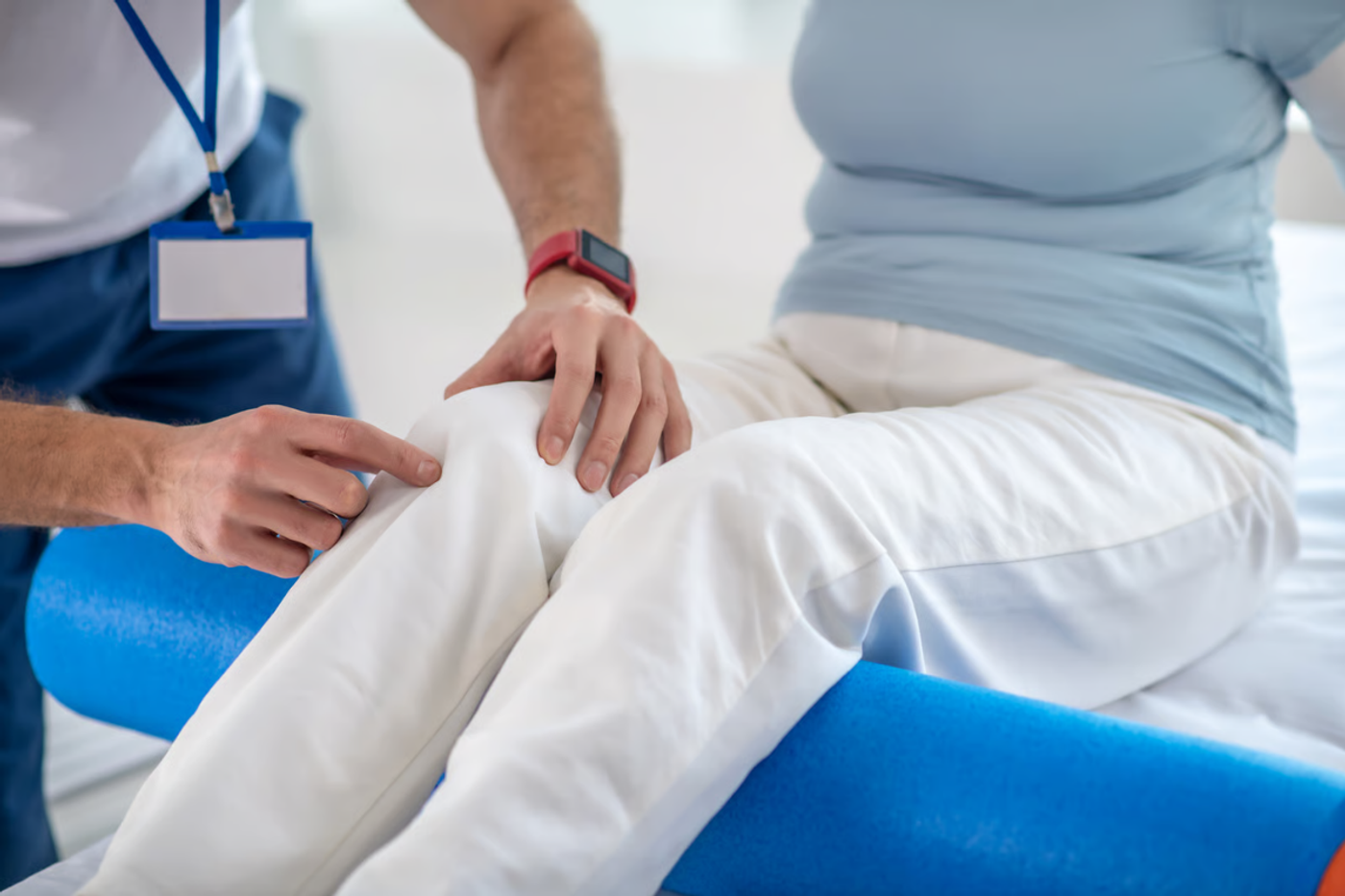
Knee pain can transform daily activities into overwhelming challenges, affecting not only physical mobility but also emotional well-being.
For patients seeking alternatives to traditional surgery or those not yet ready for knee replacement, cryoanalgesia represents a revolutionary non-surgical approach that has gained significant recognition in orthopedic medicine.
In Monterrey, Mexico, this advanced technique offers international patients an accessible and effective solution for chronic knee pain management.
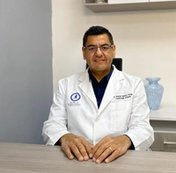
Dr. Armando Martínez Arriaga, with over 25 years of specialized experience in knee surgery and certification in cryoanalgesia in Monterrey, has witnessed how this innovative procedure can provide substantial pain relief without the risks and recovery time associated with traditional surgical interventions.
The procedure, also known as genicular nerve cryoneurolysis, offers hope for patients who have exhausted conservative treatments but are not ready for major surgery.
Understanding Cryoanalgesia: The Science Behind Pain Relief
Cryoanalgesia works by temporarily interrupting pain signals through controlled freezing of specific nerves responsible for knee pain sensation. The procedure targets the genicular nerves, which supply sensation to the knee joint capsule and surrounding structures.
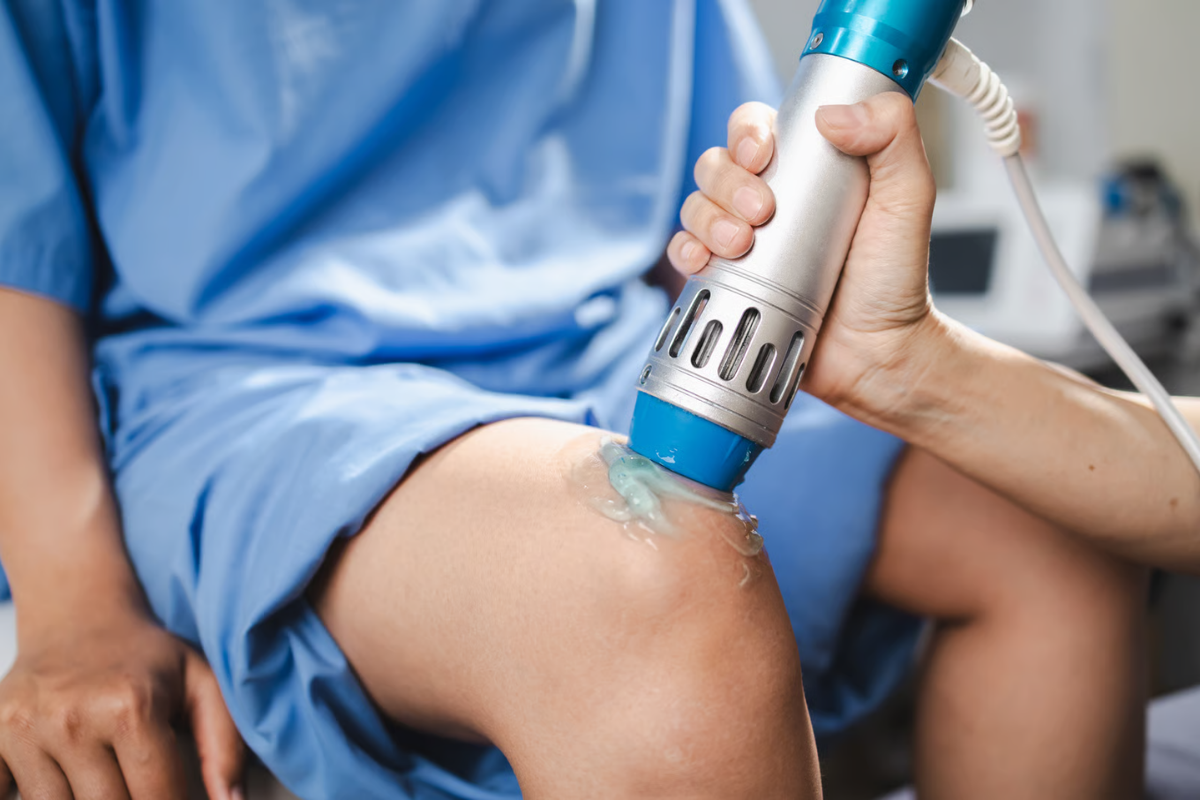
Using the advanced Metrum Cryo-S Painless device, the treatment creates precise, controlled lesions that block pain transmission for extended periods.
The primary causes that make patients candidates for cryoanalgesia include osteoarthritis of the knee, chronic joint pain following previous surgeries, and degenerative changes that cause persistent discomfort.
Unlike traditional pain management approaches that provide temporary relief, cryoanalgesia can offer pain reduction lasting 6 to 12 months, significantly improving quality of life without the need for daily medications or invasive procedures.
This technique is particularly beneficial for patients with moderate to severe osteoarthritis who are not ready for total knee replacement, those seeking to delay surgical intervention, or individuals who require pain control as part of an Enhanced Recovery After Surgery (ERAS) protocol.
Recognizing Symptoms and Identifying Ideal Candidates
Patients who benefit most from cryoanalgesia typically experience chronic knee pain that significantly impacts daily activities, including walking, climbing stairs, or prolonged standing.
The pain often worsens with activity and may be accompanied by stiffness, particularly in the morning or after periods of inactivity. Unlike acute injuries, this pain pattern suggests degenerative changes that respond well to nerve-targeted treatments.
The ideal candidate for cryoanalgesia experiences pain that has not responded adequately to conservative treatments such as physical therapy, anti-inflammatory medications, or intra-articular injections.
Additionally, patients who wish to avoid or delay major surgery, those with medical conditions that increase surgical risks, or individuals seeking pain control before eventual knee replacement surgery may find cryoanalgesia particularly beneficial.
Cryoanalgesia is most effective for patients whose pain originates from the joint capsule and surrounding structures rather than mechanical issues like loose bodies or significant structural damage requiring surgical repair.
A thorough evaluation by a qualified orthopedic specialist can determine if the pain pattern and underlying pathology make cryoanalgesia an appropriate treatment option.
When to Consult an Orthopedic Specialist
Seeking specialized evaluation becomes important when knee pain persists for more than three months despite conservative treatment, significantly impacts daily activities, or interferes with sleep quality.
Patients should also consider consultation when pain medications provide insufficient relief or cause unwanted side effects, or when they wish to explore alternatives to major surgery.
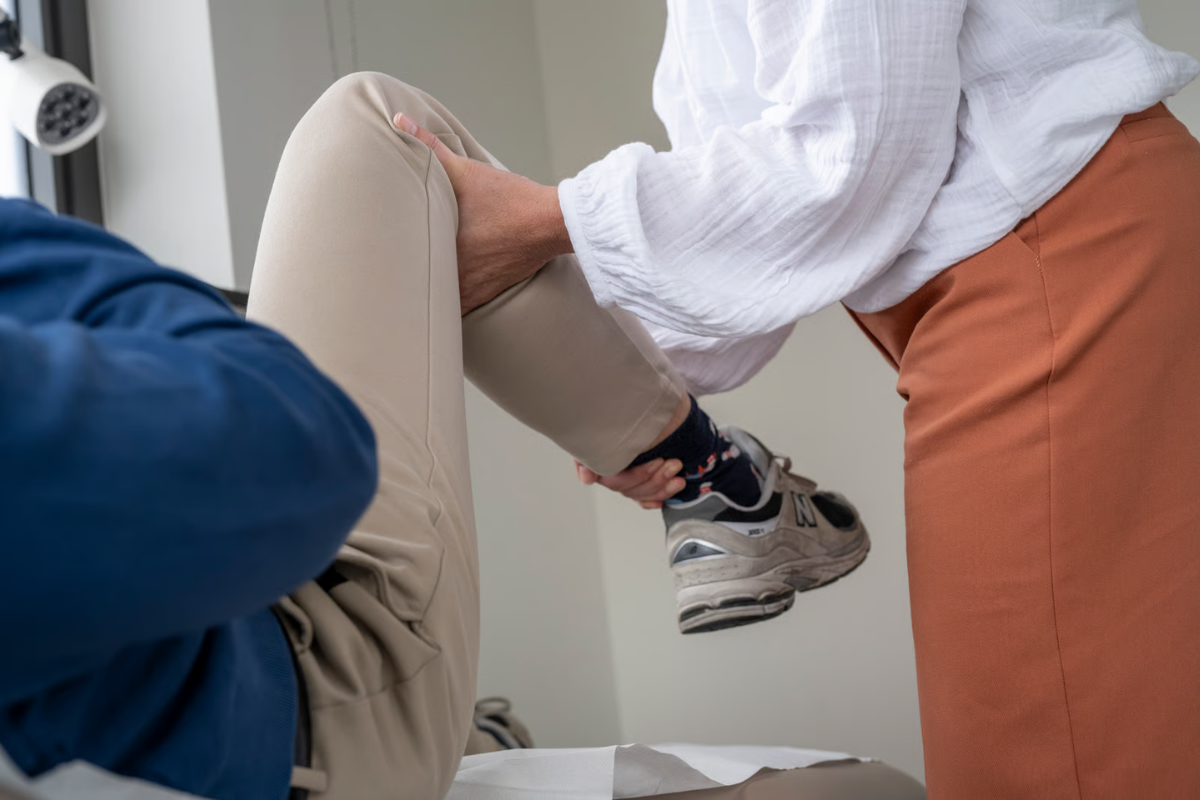
Dr. Armando Martínez Arriaga recommends evaluation when patients experience pain that limits their ability to perform activities they previously enjoyed, when conservative treatments have reached their maximum benefit, or when considering surgical options but seeking less invasive alternatives first.
The consultation process includes a comprehensive assessment of pain patterns, functional limitations, and treatment goals.
International patients often find that scheduling a consultation in Monterrey allows them to explore this advanced treatment option while benefiting from the cost-effectiveness and accessibility of Mexican healthcare.
The evaluation process can typically be completed within one to two days, making it feasible for patients traveling from abroad.
Diagnostic Studies and Pre-Procedure Evaluation
The diagnostic process for cryoanalgesia candidacy typically begins with a comprehensive clinical examination and review of imaging studies.
X-rays help assess the degree of joint space narrowing and bony changes associated with osteoarthritis, while MRI studies provide detailed information about soft tissue structures, cartilage condition, and any associated pathology.
A crucial component of the evaluation is the diagnostic genicular nerve block, which serves as a predictor of cryoanalgesia success. This temporary procedure uses local anesthetic to block the same nerves that would be targeted during cryoanalgesia.
Patients who experience significant pain relief from the diagnostic block are excellent candidates for the definitive cryoanalgesia procedure.
Additional studies may include functional assessments to document current pain levels and activity limitations, which help establish baseline measurements for post-procedure comparison. Blood work and general health evaluation ensure that patients are appropriate candidates for the outpatient procedure.
Treatment Options: From Conservative to Advanced Interventions
The treatment spectrum for chronic knee pain includes multiple approaches, each with specific indications and benefits. Conservative treatments such as physical therapy, anti-inflammatory medications, and activity modification often serve as first-line interventions. When these approaches provide insufficient relief, more advanced options become appropriate.
Cryoanalgesia occupies a unique position in the treatment continuum, offering significant pain relief without the risks and recovery time associated with surgical interventions.
The procedure is performed as an outpatient treatment, typically requiring 15 to 20 minutes, with no incisions or general anesthesia needed. Patients can often return to normal activities within a few days.
For patients requiring more definitive treatment, surgical options including arthroscopic procedures or total knee replacement may be appropriate.
However, cryoanalgesia can serve as an effective bridge treatment, providing pain relief while patients prepare for surgery or determine if surgical intervention is ultimately necessary.
The procedure can also be repeated if pain returns after the initial treatment period.
Prevention Strategies and Lifestyle Modifications
While cryoanalgesia provides excellent pain relief, incorporating preventive strategies can help optimize long-term outcomes and potentially extend the duration of pain relief.
Weight management plays a crucial role in reducing stress on knee joints, with even modest weight loss providing significant benefits for patients with osteoarthritis.
Low-impact exercise programs, including swimming, cycling, and walking, help maintain joint mobility and muscle strength without excessive stress on the knee joint. Physical therapy focusing on quadriceps strengthening and range of motion exercises can complement the pain relief provided by cryoanalgesia, potentially improving overall function.
Patients should also consider ergonomic modifications in their daily activities, such as using supportive footwear, avoiding prolonged kneeling or squatting, and incorporating regular movement breaks during sedentary activities.
These lifestyle adjustments, combined with the pain relief from cryoanalgesia, can significantly improve quality of life and functional capacity.
For international patients considering cryoanalgesia in Monterrey, the treatment process is designed for convenience and efficiency. Most patients can fly in, undergo the procedure the same day or next day, and return home within 2 to 3 days.
Dr. Armando Martínez Arriaga’s expertise as the only cryoanalgesia-certified orthopedic surgeon in Monterrey ensures that patients receive the highest standard of care with this advanced technique.
Understanding your options for knee pain management can help you make informed decisions about your care. If you’re experiencing chronic knee pain and seeking alternatives to traditional surgery, cryoanalgesia may offer the relief you’ve been searching for.
Referencias científicas
1. Choi, W. J., Hwang, S. J., Song, J. G., Leem, J. G., Kang, Y. U., Park, P. H., & Shin, J. W. (2011). Radiofrequency treatment relieves chronic knee osteoarthritis pain: a double-blind randomized controlled trial. Pain, 152(3), 481-487.
2. Ikeuchi, M., Ushida, T., Izumi, M., & Tani, T. (2013). Percutaneous radiofrequency treatment for refractory anteromedial pain of osteoarthritic knees. Pain Medicine, 14(5), 648-655.
3. Santana Pineda, M. M., Vanlinthout, L. E., Moreno Martín, A., van Zundert, J., Rodriguez Huertas, F., & Novalbos Ruiz, J. P. (2017). Analgesic effect and functional improvement caused by genicular nerve pulsed radiofrequency: 12-month follow-up results. Pain Practice, 17(1), 75-84.
4. Shen, W. S., Xu, X. Q., Zhai, N. N., Zhou, Z. S., Shao, J., & Yu, Y. H. (2020). Radiofrequency thermocoagulation in relieving refractory pain of knee osteoarthritis. American Journal of Therapeutics, 27(1), e56-e64.
5. Kapural, L., Jolly, S., Mantoan, J., Badhey, H., & Ptacek, T. (2021). Cooled radiofrequency neurotomy of genicular nerves for chronic pain due to knee osteoarthritis: Six-month outcomes. Pain Medicine, 22(4), 851-859.